Our 4WD Services: Maximizing Off-Road Capability and Safety
Keep your four-wheel drive system performing at its peak with our specialized 4WD services. Whether you’re tackling rough terrain or navigating through inclement weather, our expert technicians ensure your 4WD system is reliable and ready for any challenge. Schedule your 4WD service now to enhance your vehicle's capability and safety.

Four-Wheel Drive (4WD) System Service & Maintenance
Four-wheel drive systems help improve traction, stability, and control when driving in challenging conditions such as snow, mud, or uneven terrain. Routine 4WD maintenance often includes checking fluid levels and condition for critical components such as differentials and the transfer case. Proper fluid levels help maintain smooth gear operation and protect internal drivetrain components from excessive wear. A 4WD activation test may also be performed to verify that the system engages and disengages correctly when needed. Regular inspections help ensure the four-wheel drive system operates reliably when additional traction is required.
Advanced 4WD services may include upgrades designed to improve off-road capability and durability. All-terrain upgrades can involve installing performance-oriented drivetrain components built to handle demanding driving conditions. Custom 4WD adjustments may also be available to fine-tune system performance for specific terrains or driver preferences. These services can help optimize traction, vehicle control, and overall off-road performance.
Advanced 4WD services may include upgrades designed to improve off-road capability and durability. All-terrain upgrades can involve installing performance-oriented drivetrain components built to handle demanding driving conditions. Custom 4WD adjustments may also be available to fine-tune system performance for specific terrains or driver preferences. These services can help optimize traction, vehicle control, and overall off-road performance.
When Four-Wheel Drive Service May Be Needed
4WD system service requirements can vary depending on driving conditions, vehicle usage, and drivetrain design. Some vehicles may only require routine fluid inspections and system testing, while others may benefit from drivetrain upgrades or system adjustments. Vehicles frequently driven off-road or in harsh weather conditions may place additional stress on 4WD components and may require more frequent inspections. Symptoms such as difficulty engaging four-wheel drive, unusual drivetrain noises, or fluid leaks may indicate the need for service. A professional inspection helps determine the appropriate maintenance or repair needed to maintain dependable 4WD performance.
4WD service availability may vary depending on parts supply, specialized equipment, and technician availability. Confirming service options in advance helps ensure the proper tools and components are available.
Schedule 4WD system service online or contact a service advisor to discuss four-wheel drive inspections, maintenance, or upgrade options.
4WD service availability may vary depending on parts supply, specialized equipment, and technician availability. Confirming service options in advance helps ensure the proper tools and components are available.
Schedule 4WD system service online or contact a service advisor to discuss four-wheel drive inspections, maintenance, or upgrade options.

Expert 4WD System Diagnostics
Using advanced diagnostic tools, we accurately assess the condition of your 4WD system. Our diagnostics cover all critical components, from the transfer case to the differentials and drivetrain, ensuring comprehensive care and maintenance.
Specialized 4WD Maintenance & Repair
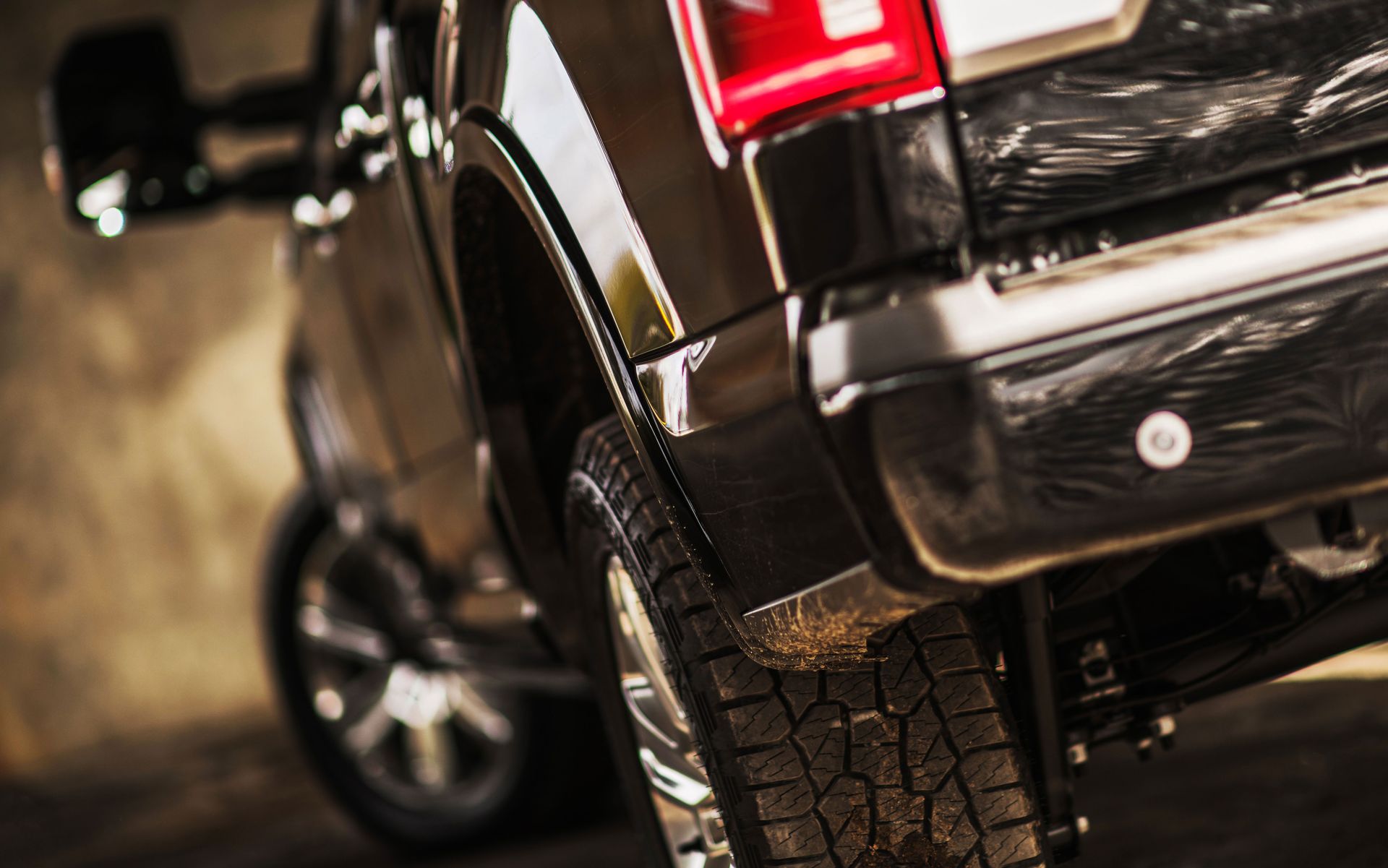
Conquer any terrain with confidence. Our Specialized 4WD Maintenance & Repair services ensure your vehicle performs optimally. From routine maintenance to specialized repairs, trust us for smooth off-road adventures.

Reliable & Efficient 4WD Services
We understand the importance of a robust 4WD system for your off-road and all-weather driving needs. Our team is dedicated to providing quick and reliable services to keep your system in top condition with minimal downtime.
Common Four-Wheel Drive System Failures
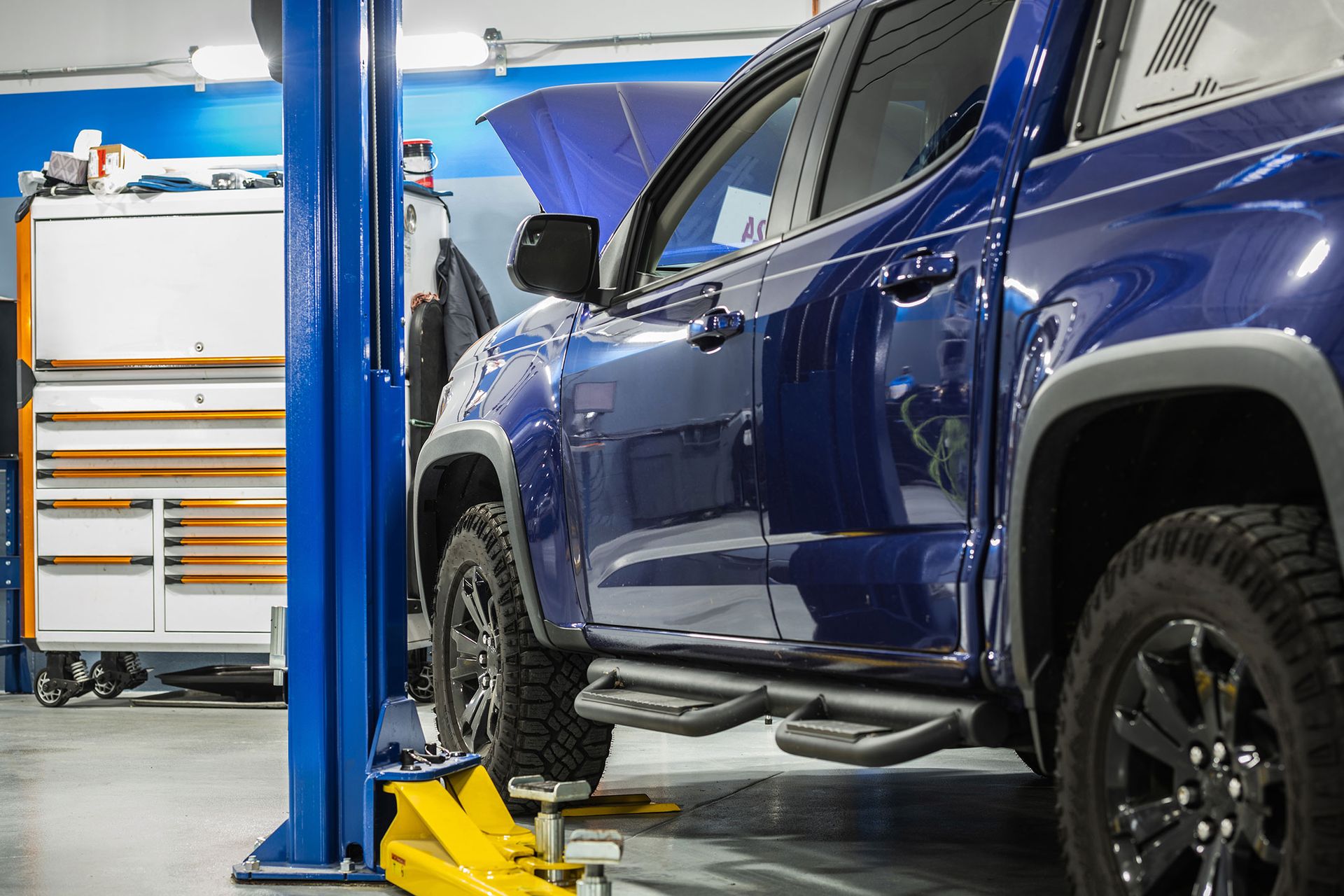
Four-wheel drive (4WD) systems are critical for providing enhanced traction in challenging conditions, but they can experience wear and failures. Here are the main components prone to failure:
- Transfer Case: Issues can include fluid leaks and bearing failures, impacting the ability to change drive modes.
- Differentials: Failure typically arises from inadequate lubrication, causing noises like whining or grinding.
- Drive Shafts: Worn joints or broken shafts can interrupt power transmission to the wheels.
- Actuators and Solenoids: Electrical faults in these components can prevent the 4WD system from engaging or disengaging correctly.
- U-Joints and CV Joints: Damage to these joints may cause vibrations and affect vehicle control.
- Hubs: Malfunctions in manual or automatic locking hubs can stop the 4WD from engaging when needed.
Regular maintenance and prompt repairs are essential to keep these systems operational and extend the life of your 4WD vehicle. Regular checks ensure reliability and performance, especially before using the vehicle in off-road or harsh conditions.
Find 4WD Services Near You!
Locate our expert 4WD system maintenance and repair services nearby to ensure your vehicle is always adventure-ready. Don’t let system failures limit your off-road experiences. Book a comprehensive 4WD service with us today and explore with confidence. Your vehicle’s 4WD integrity and performance are our top priorities—act now!

AC Repair

Battery Replacement

Belt Replacement
Brake Repair

Car Electrical Repair
Car Inspections
Check Engine Light

Cooling System Repair

Diesel Engine Repair

Differential Repair

Drivetrain Service

Electric Vehicle Repair
Engine Repair

Exhaust Repair

Hose Replacement
Four Wheel Drive Service

Hybrid Car Maintenance
Oil Change Service
Preventive Maintenance
Suspension Repair

Tire Installation

Tire Repair
Tire Rotation

TPMS Service
Transmission Fluid Change

Wheel Alignment
Wheel Balancing
Fuel System Repair

Spark Plug Replacement

Air Filter Replacement
Featured Car Brands