Our Steering and Suspension Services: Ensuring Smooth and Safe Rides
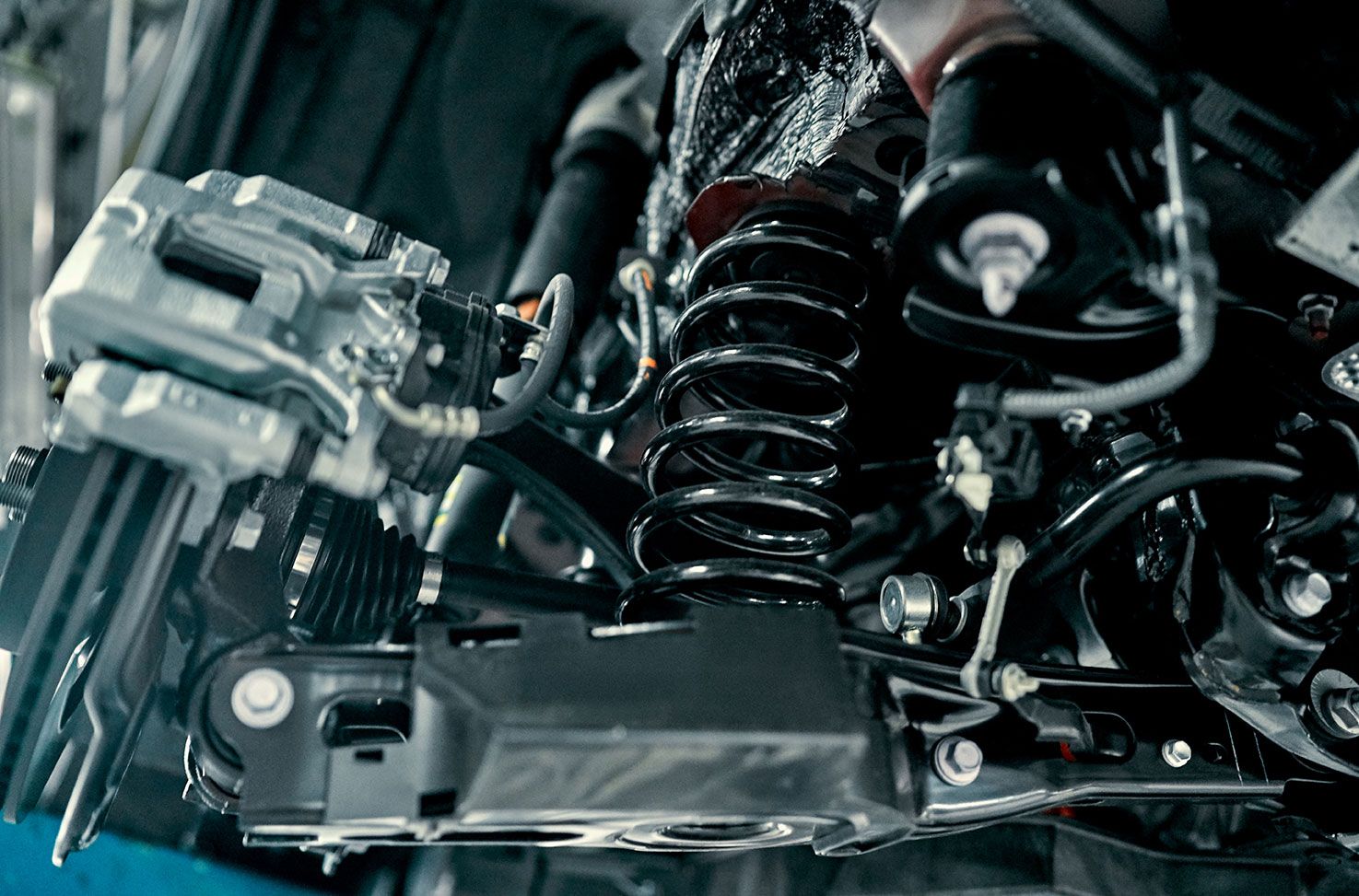
Steering & Suspension Service and Maintenance
Advanced repair services may involve a more comprehensive inspection and repair of major suspension components such as shocks, struts, springs, and steering mechanisms. When components show significant wear or damage, a full suspension overhaul may be recommended to restore ride quality and vehicle control. Performance suspension upgrades may also be available for drivers seeking improved handling, responsiveness, or enhanced driving dynamics. These services help maintain precise steering control and support consistent vehicle stability.
Steering and Suspension Service Considerations
Steering and suspension service availability may vary depending on parts supply, alignment equipment, and technician availability. Confirming service options in advance helps ensure the proper tools and resources are available.
Schedule steering and suspension service online or contact a service advisor to discuss suspension inspections, alignment services, or steering system repairs.
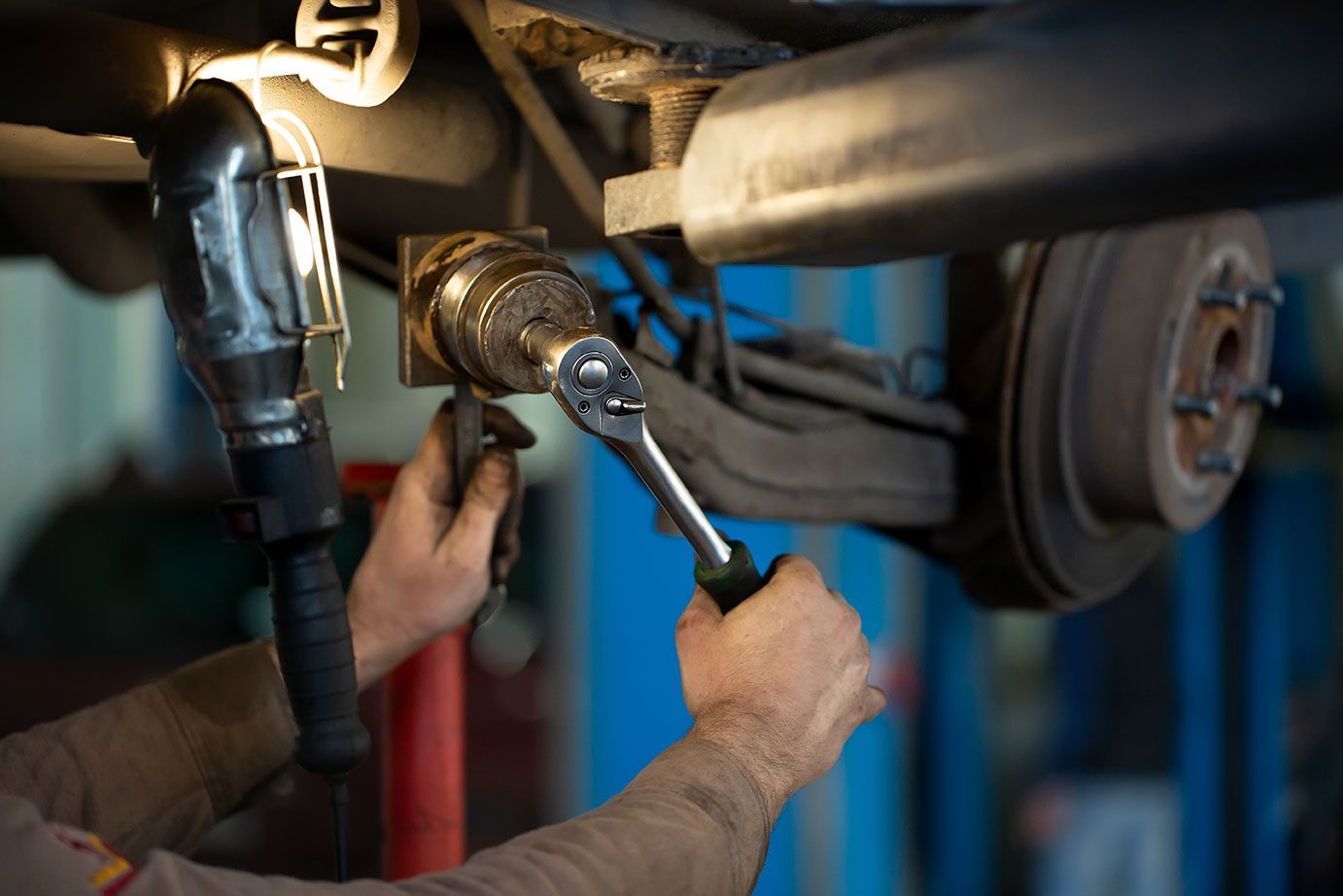
Diagnostics & Precision Repairs
Ensure smooth rides and precise handling with our Comprehensive Diagnostics and Precision Repairs for steering and suspension systems. Our skilled technicians utilize advanced diagnostics to pinpoint issues accurately, followed by meticulous repairs to restore optimal performance and safety. Trust us to keep your vehicle riding smoothly and securely on every journey.
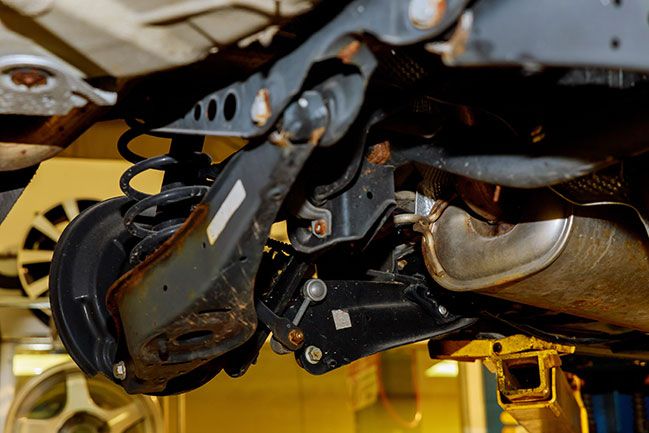
Quality Parts for Performance
Elevate your driving experience with our Quality Parts for Enhanced Performance. From steering to suspension components, we provide top-notch parts designed to optimize your vehicle's handling and stability. Trust us to deliver superior performance and durability for a smoother ride on every journey.
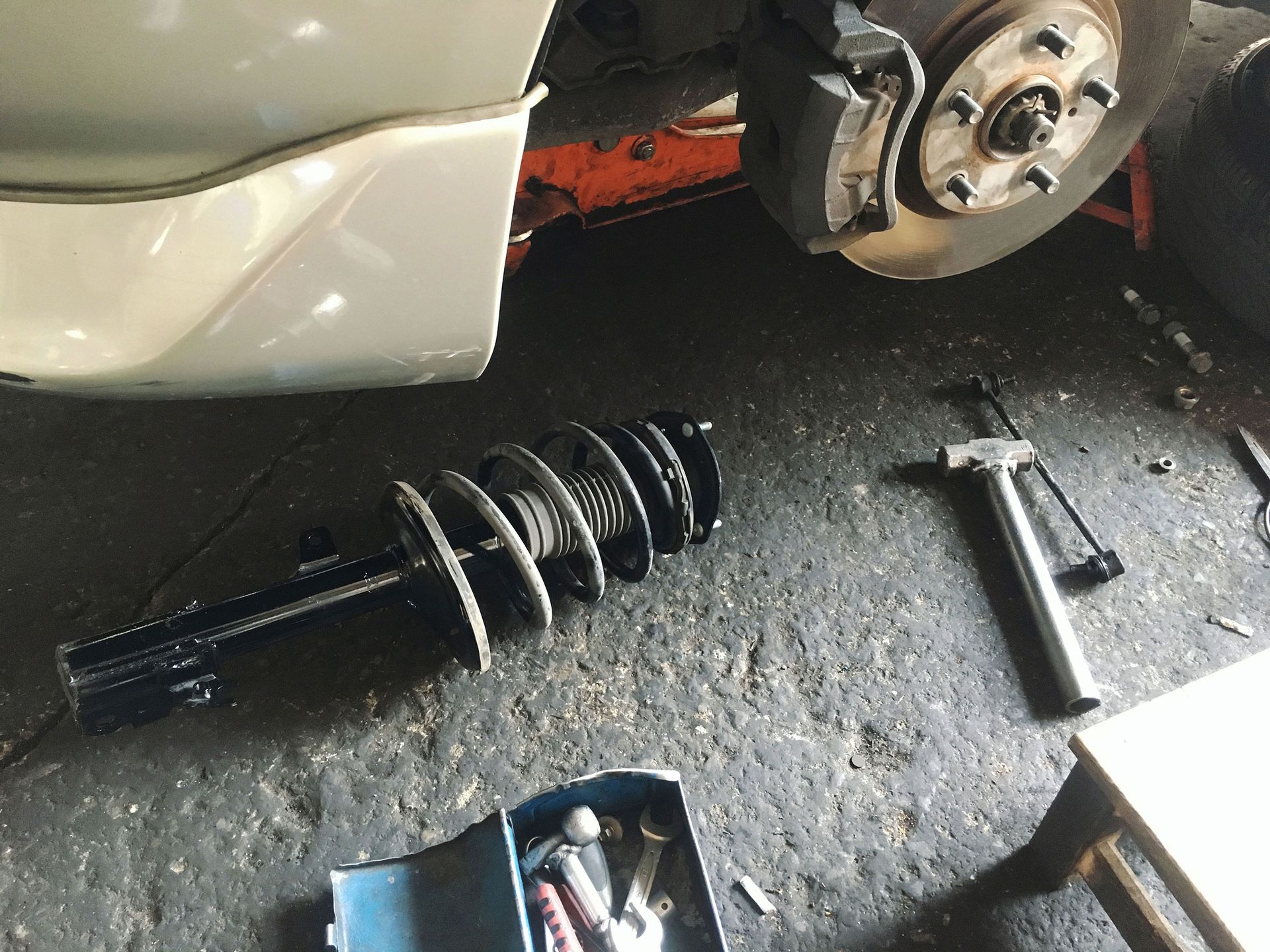
Efficient & Effective Service
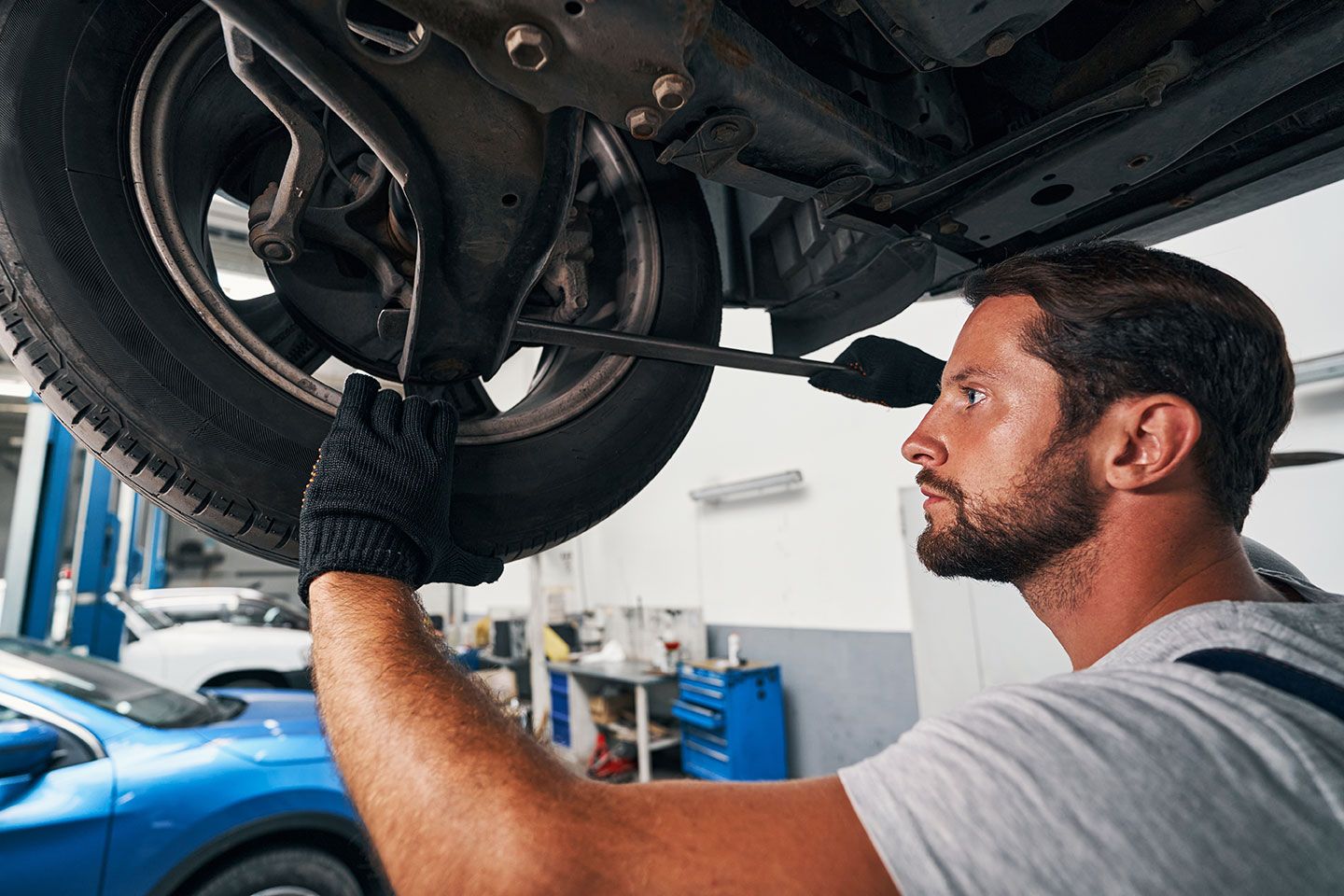
Common Failure Points in Steering and Suspension Systems
The steering and suspension systems are crucial for smooth and safe driving, providing stability and control. Here are some of the common failure points within these systems:
- Worn Shock Absorbers and Struts: These components absorb road shock and prevent excessive bouncing. Worn shocks and struts can lead to a rough ride, increased braking distances, and poor handling.
- Damaged Springs: Springs support the vehicle’s weight and maintain its height. Broken or worn springs can affect the ride height, alignment, and overall vehicle stability.
- Faulty Ball Joints: Ball joints allow for precise control and movement of the suspension parts. A failure can result in a loss of control of the vehicle, producing clunking noises and erratic steering.
- Worn Tie Rod Ends: These connect the steering system to the wheels. Worn tie rod ends can cause loose steering, uneven tire wear, and poor alignment.
- Power Steering Issues: Problems can arise from power steering fluid leaks, worn belts, or failing pumps, leading to hard steering and increased effort to turn the wheel.
- Bushings Deterioration: Bushings cushion the contact between metal parts. When they wear out, they can lead to increased road noise, vibration, and component wear.
Regular maintenance checks and addressing these common failure points can enhance vehicle safety, extend the life of the components, and ensure a smoother ride.
Find Steering and Suspension Services Near You!
AC Repair

Battery Replacement

Belt Replacement
Brake Repair

Car Electrical Repair

Car Inspections
Check Engine Light

Cooling System Repair

Diesel Engine Repair
Differential Repair
Drivetrain Service

Electric Vehicle Repair
Engine Repair
Exhaust Repair

Hose Replacement

Four Wheel Drive Service

Hybrid Car Maintenance
Oil Change Service
Preventive Maintenance
Suspension Repair

Tire Installation
Tire Repair
Tire Rotation
TPMS Service
Transmission Fluid Change

Wheel Alignment

Wheel Balancing
Fuel System Repair

Spark Plug Replacement

Air Filter Replacement
Featured Car Brands