Cooling System Repair

Prevent overheating—ensure your cooling system functions perfectly!

Our Cooling System Services: Maximizing Engine Performance
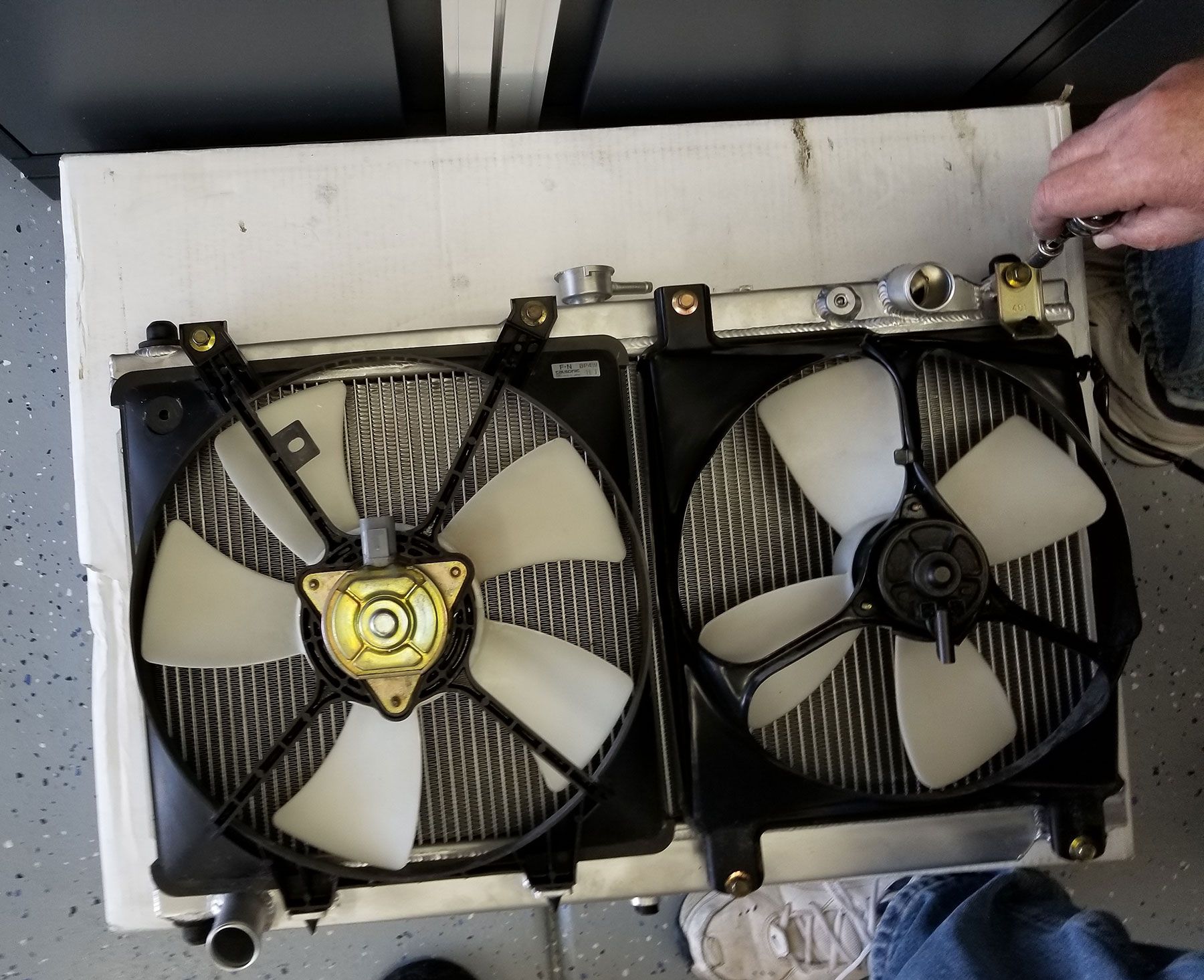
Keep your engine running cool and efficiently with our comprehensive radiator and cooling system services. Whether it's an overheating engine, leaking coolant, or a smoking engine, our expert technicians are equipped to handle all your cooling system needs. Schedule your service today to avoid costly repairs and extend the life of your engine.
garage-mechanics

Cooling System Service & Radiator Maintenance

The vehicle cooling system plays a critical role in maintaining proper engine temperature and preventing overheating. Standard cooling system maintenance typically includes checking coolant levels and inspecting the condition of the coolant to ensure it continues to provide effective heat transfer and corrosion protection. Topping off coolant when necessary helps maintain proper system performance. A cooling system pressure test may also be performed to identify leaks or weaknesses in hoses, seals, and other components. Routine cooling system maintenance helps protect the engine from overheating and supports long-term reliability.

Advanced cooling system repairs may include a complete system overhaul when major components show signs of wear or failure. This type of service may involve inspection or replacement of the radiator, hoses, water pump, cooling fans, and related components. Repairs may also address conditions that cause coolant to boil or lead to engine overheating. If an engine is producing smoke due to cooling system failure or overheating components, a detailed diagnostic inspection can help identify the cause and restore proper system function.

Situations That May Require Cooling System Service

Cooling system service needs can vary depending on vehicle mileage, climate conditions, driving habits, and maintenance history. Some vehicles may only require routine coolant checks and pressure testing, while others may need more extensive cooling system repairs. Signs such as rising engine temperature, coolant leaks, steam from the engine compartment, or low coolant warnings may indicate the need for immediate inspection. Vehicles operating in hot climates or heavy driving conditions may require more frequent cooling system maintenance. A professional inspection helps determine the most appropriate service to protect the engine from overheating.

Cooling system service availability may vary depending on parts supply, diagnostic equipment, and technician availability. Confirming service options in advance helps ensure the proper components and tools are available.

Schedule cooling system service online or contact a service advisor to discuss radiator maintenance, coolant inspections, or overheating concerns.
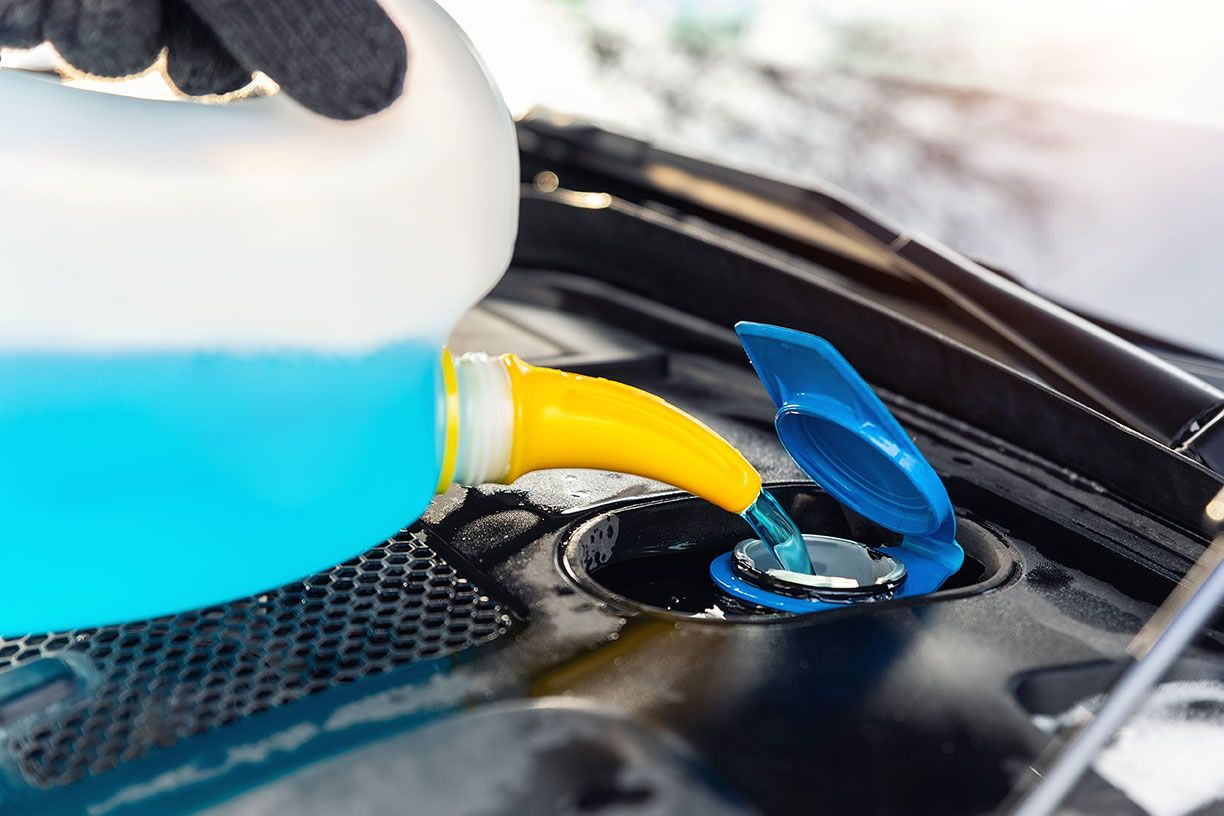
driver-hand-in-gloves-pouring-blue-antifreeze

Expert Cooling System Diagnostics

With the latest diagnostic equipment, we thoroughly assess your cooling system to pinpoint issues like thermostat failures, water pump malfunctions, and coolant leaks. Our detailed diagnostics help prevent overheating and ensure your engine operates at optimal temperatures.
car-radiator

Cooling System Maintenance & Repair

Trust in our Quality Cooling System Maintenance & Repair services to keep you comfortable year-round. Our skilled technicians deliver expert care, from thorough maintenance checks to swift repairs, ensuring your cooling system operates at its best. Stay cool and worry-free with our reliable solutions.
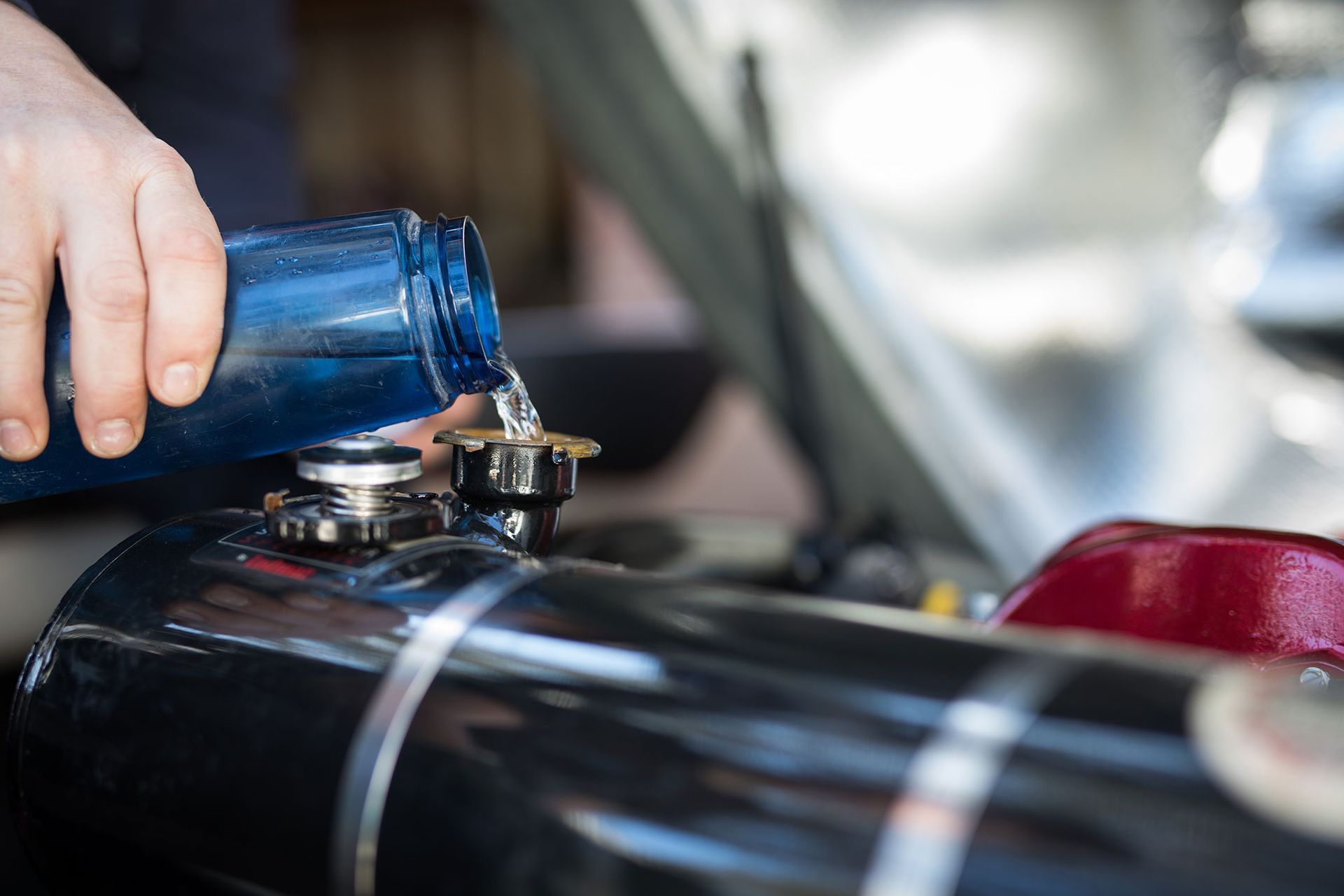
engine-maintenance

Efficient Service to Keep You Driving
Understanding the urgency of cooling system issues, we prioritize fast and effective service to minimize downtime and get you back on the road safely.
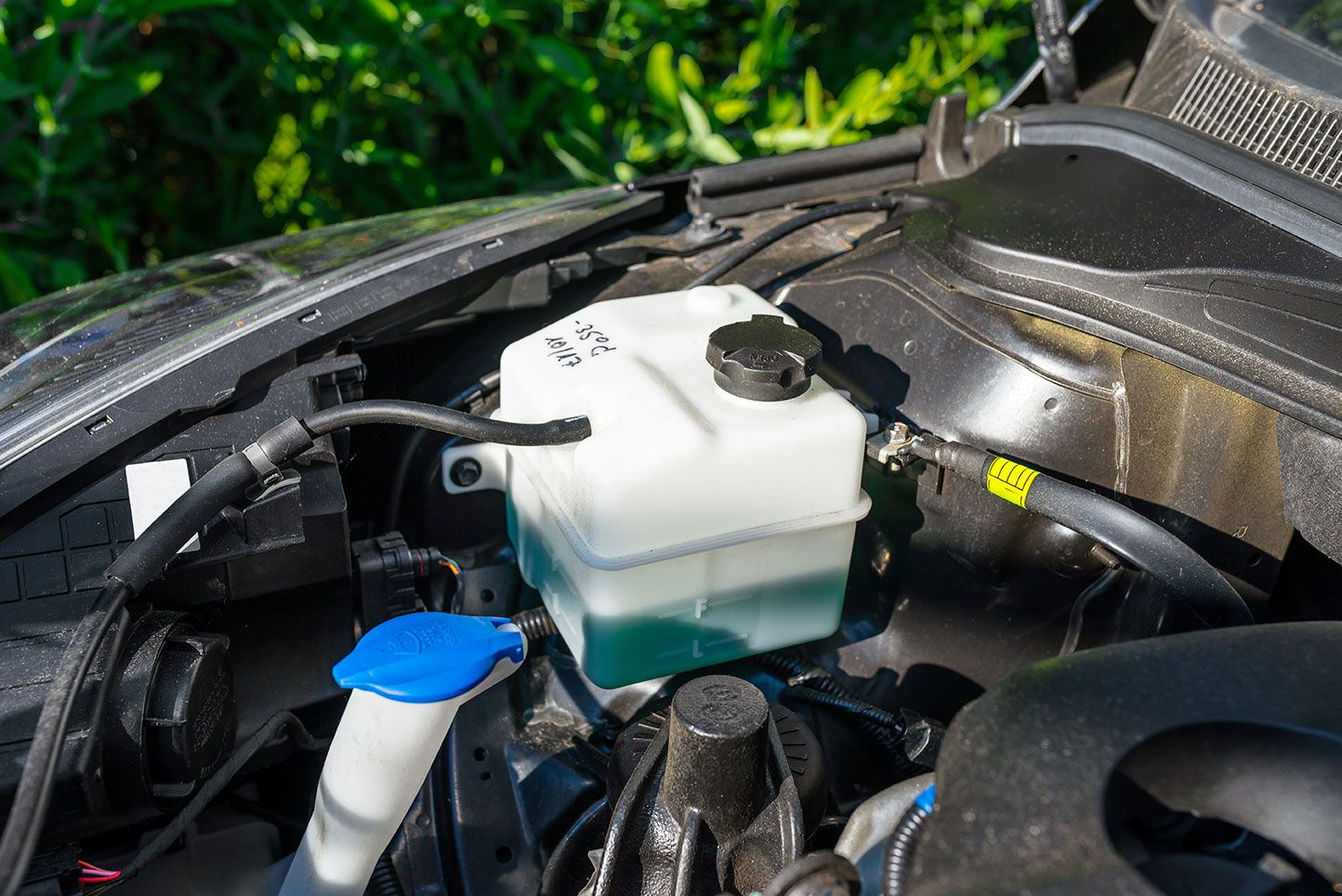
new-reservoir-for-cooling-liquid-inside-the-engine

Common Cooling System Failures in Vehicles

The cooling system in your car is crucial for preventing engine overheating and maintaining optimal performance. However, several components can fail, leading to serious mechanical issues. Here are common failures related to vehicle cooling systems:  

  • Radiator Problems: The radiator dissipates heat from the engine coolant. Leaks, clogs, or damage to the radiator can impair its ability to manage engine temperature, leading to overheating. 
  • Thermostat Failure: The thermostat controls coolant flow based on engine temperature. A malfunctioning thermostat can stay closed, blocking coolant flow and causing the engine to overheat. 
  • Water Pump Breakdown: This component circulates coolant throughout the engine and radiator. A failing water pump can lead to inadequate coolant circulation, resulting in overheating. 
  • Coolant Leaks: Leaks can occur anywhere in the cooling system, including hoses, the water pump, or the radiator. Without sufficient coolant, the system can't cool the engine effectively. 
  • Corroded or Clogged Coolant Lines: Over time, coolant lines can corrode or become clogged with debris. This blockage can restrict the flow of coolant, leading to overheating.  

Regular maintenance, including coolant changes and inspections, can help identify and fix these issues early, ensuring your vehicle remains reliable and preventing costly engine damage.

Find Radiator and Cooling System Services Near You!

Find our reliable radiator and cooling system repair services nearby to keep your vehicle in peak condition. Don’t let cooling system failures compromise your engine's health. Book a comprehensive check with us today and drive with confidence knowing your vehicle is well cared for. Your engine's reliability and performance are our top priorities—act now!

Radiator and Cooling Services FAQ

  • What is radiator service?

    Radiator service involves the inspection, maintenance, and repair of a vehicle’s cooling system. This includes checking the radiator, thermostat, coolant levels, and associated hoses and belts to ensure proper functioning and prevent overheating and engine damage.
  • How often should I get my radiator serviced?

    It's generally recommended to have your radiator and cooling system checked at least once a year or per the vehicle manufacturer’s guidelines. You should also have the system checked if you notice any signs of cooling system problems.
  • What are signs that my radiator needs servicing?

    Signs that your radiator may need service include:

    Visible coolant leaks under the vehicle
    Rising engine temperature or overheating
    Low coolant levels
    Rust or sediment in the coolant
    Heater not working properly
  • What does a typical radiator service include?

    A typical radiator service may include:

    Draining and flushing the radiator to remove old coolant and debris
    Checking for leaks in the radiator and hoses
    Inspecting the radiator cap for proper sealing
    Checking the thermostat for proper operation
    Refilling the radiator with new coolant
    Ensuring the cooling fan operates correctly
  • How long does radiator service take?

    Most radiator services can be completed in about an hour, but complex issues like leaks or part replacements may extend this time.
  • What is the difference between coolant and antifreeze?

    Coolant is generally a mixture of antifreeze and water. Antifreeze is the chemical compound used to lower the freezing point and raise the boiling point of the liquid within a vehicle's engine, helping it operate efficiently in extreme temperatures.
  • Can I perform radiator service on my own?

    While basic maintenance such as adding coolant can be a DIY task, radiator service often involves handling potentially hazardous chemicals and complex diagnostic and repair tasks that might be best handled by a professional.
  • What happens if I don’t service my radiator regularly?

    Neglecting radiator maintenance can lead to serious problems, including engine overheating, increased engine wear, and even engine failure. Regular maintenance helps prevent these issues, extend the life of your engine, and ensure your vehicle runs efficiently.
  • How much does radiator service cost?

    The cost of radiator service can vary depending on the service provider, the type of vehicle, and the specific services required. Typically, a basic radiator flush and fill might cost between $50 and $150, while more extensive repairs could be significantly more.
  • What is the role of the water pump in a vehicle’s cooling system?

    The water pump is crucial for circulating coolant through the engine and radiator, helping to maintain optimal engine temperature. It is driven by the engine's serpentine belt or timing belt and ensures that coolant flows continuously, preventing engine overheating.
  • How do I know if my water pump needs replacing?

    Signs that your water pump may need replacing include:

    Coolant leak near the front-center of your vehicle.
    Whining sounds coming from the front of the engine.
    Overheating engine, especially at idle or when stopping.
    Steam coming from the radiator.
  • What is a thermostat and how does it work?

    A thermostat is a valve that controls the flow of coolant to the radiator depending on engine temperature. It remains closed when the engine is cold to allow it to quickly reach operating temperature. Once the engine is warm, the thermostat opens to let coolant flow to the radiator, preventing the engine from overheating.
  • What are common issues with thermostats?

    Common issues with thermostats include:

    Sticking in the open or closed position, leading to engine overheating or taking too long to reach the operating temperature.
    Faulty thermostat housing can cause coolant leaks.
    Wear and tear over time requiring replacement to maintain optimal functioning.
  • How often should the water pump and thermostat be replaced?

    There is no universal replacement interval for water pumps or thermostats, but they are often replaced as part of routine maintenance every 60,000 to 100,000 miles. It's also common to replace them when performing major engine or radiator repairs.
  • Can a malfunctioning thermostat affect my vehicle’s performance?

    Yes, a malfunctioning thermostat can significantly affect your vehicle's performance. If it sticks closed, it can cause the engine to overheat, potentially leading to engine damage. If it sticks open, the engine may not reach optimal operating temperature, reducing efficiency and performance.
  • What does it cost to replace a water pump or thermostat?

    The cost to replace a water pump or thermostat can vary based on the vehicle model and the labor involved. Typically, water pump replacement costs range from $300 to $750, while thermostat replacement can cost between $150 and $350. These prices include parts and labor.
  • What are the risks of delaying water pump or thermostat repair?

    Delaying the repair of a faulty water pump or thermostat can lead to serious engine problems, including overheating, decreased efficiency, and potential engine failure. It's critical to address any cooling system issues promptly to maintain vehicle safety and performance.

Complete Auto Maintenance and Repair Services

Featured Car Brands